Scottish Inventions That Changed the World
From the misty Highlands to the workshops of Edinburgh and Glasgow, Scotland has always been a land of ideas. Some of the world’s most important inventions were born here – creations that shaped how we communicate, travel, heal, and even live our daily lives. Let’s take a walk through Scotland’s proud legacy of innovation.

Alexander Graham Bell
The Telephone
In 1876, Edinburgh-born Alexander Graham Bell changed the world with a simple idea – transmitting sound over wire. Though he later moved abroad, Bell’s Scottish upbringing and fascination with speech shaped his work. His telephone connected voices across continents and laid the groundwork for everything from landlines to smartphones.
The Television
A few decades later, another Scotsman brought pictures to life. John Logie Baird, from Helensburgh, built and demonstrated the first working television in 1926. It’s hard to imagine a living room today without one – and it all started with Baird’s flickering, mechanical images in a small lab on the Clyde.

John Logie Baird
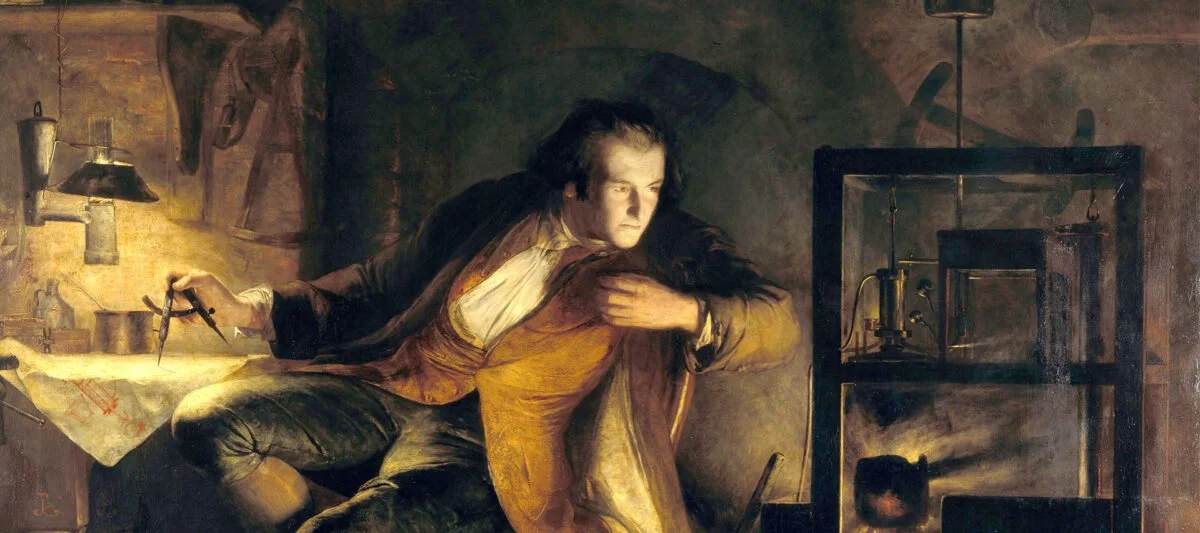
James Watt
The Steam Engine
No list of Scottish inventions would be complete without James Watt. In the late 18th century, his improvements to the steam engine turned it from a novelty into the driving force of the Industrial Revolution. Factories, ships, and railways soon ran on Watt’s ideas – and the world was never the same.
Penicillin
Sometimes, accidents make history. In 1928, Alexander Fleming noticed mould killing bacteria in his Petri dishes. That moment of curiosity gave the world penicillin – the first true antibiotic – which has since saved countless lives. Fleming’s discovery opened the door to modern medicine as we know it.

Alexander Fleming
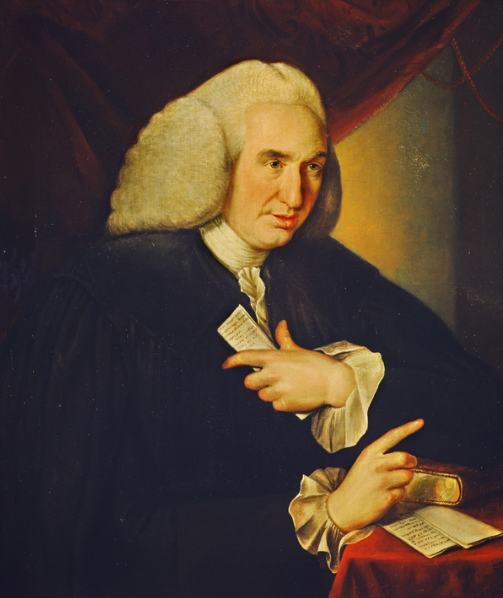
William Cullen
The Refrigerator
In 1748, William Cullen, a Scottish scientist, demonstrated the first artificial refrigeration. His experiment didn’t chill milk or ice cream just yet, but it proved the science behind cooling. Centuries later, his work inspired the modern fridge – one of the quietest yet most essential inventions in any home.
The Bank of England
Finance owes a nod to Scotland too. William Paterson, a Scottish trader and visionary, founded the Bank of England in 1694. His ideas helped shape modern banking and global finance, influencing how money is managed to this day.
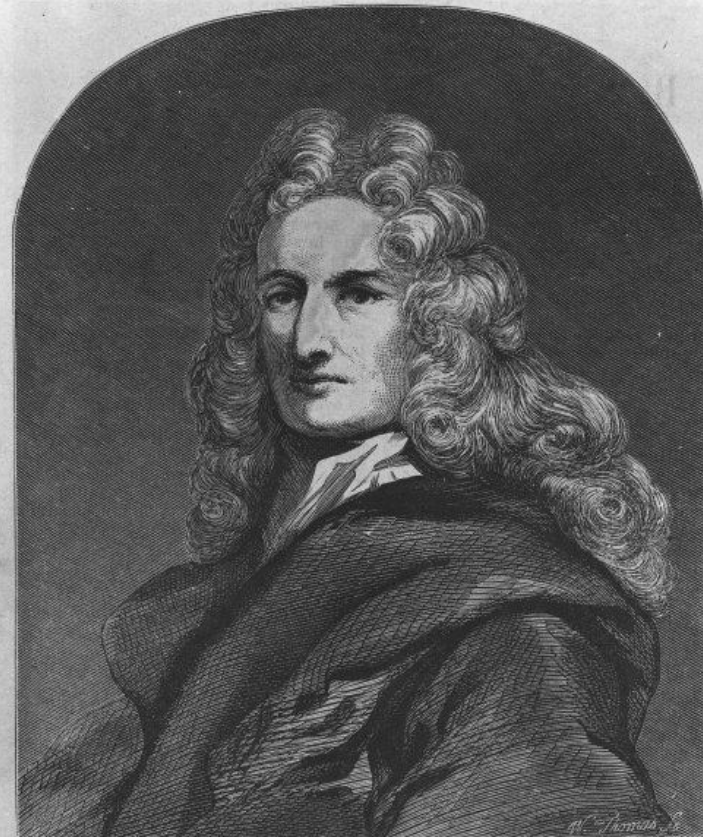
William Paterson
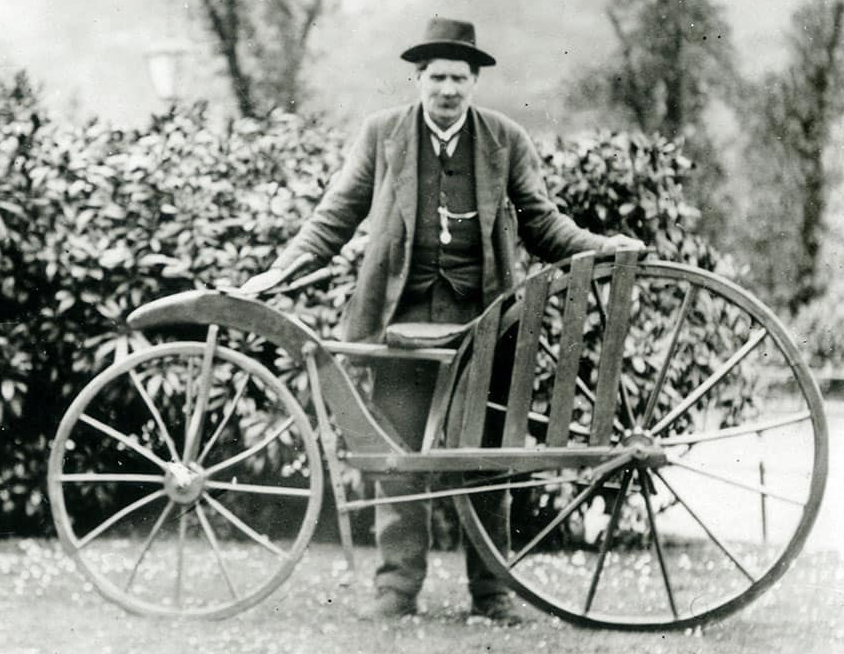
Kirkpatrick Macmillan
The Bicycle
In the 1830s, Kirkpatrick Macmillan, a Dumfriesshire blacksmith, created the first pedal-driven two-wheeler. It didn’t look much like today’s bikes – heavy wooden wheels and iron parts – but his invention sparked the personal transport revolution that still rolls on.
Radar
Fast-forward to the 1930s: Robert Watson-Watt, another Scottish physicist, was pioneering radar technology. His work helped Britain detect enemy aircraft during World War II and remains vital today in aviation, weather forecasting, and even speed cameras.
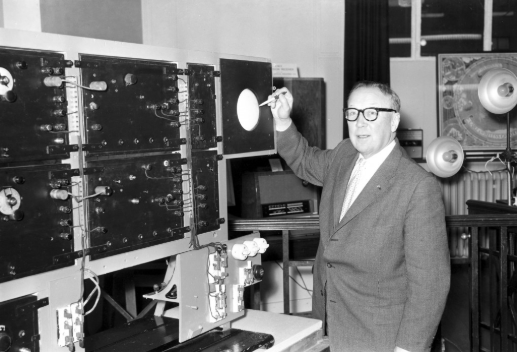
Robert Watson-Watt
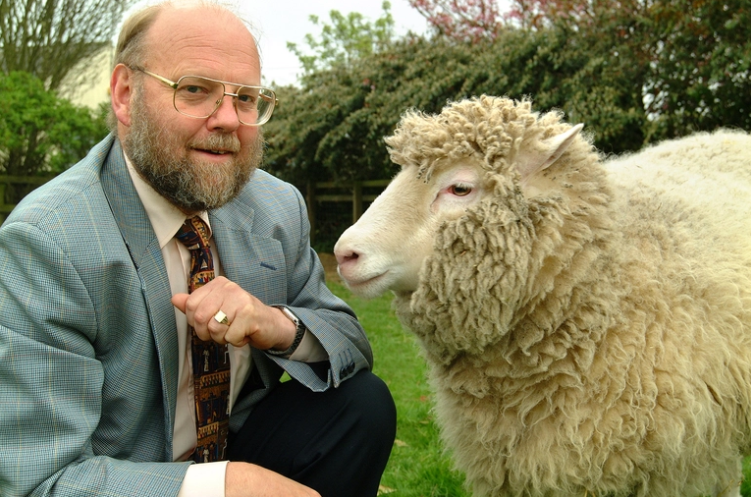
Dolly with Professor Sir Ian Wilmut, who led the research which produced her
Dolly the Sheep and Cloning
In 1996, scientists at the Roslin Institute near Edinburgh made global headlines by cloning Dolly the Sheep. It was the first time a mammal had been cloned from an adult cell – a breakthrough that forever changed the fields of genetics and biotechnology.
The ATM (Automated Teller Machine)
Before the 1960s, getting cash meant standing in line at the bank. Then James Goodfellow, a Scottish engineer, came up with a solution – the world’s first ATM and personal identification number (PIN) system. His simple yet brilliant design made banking faster, safer, and available 24 hours a day.

James Goodfellow with a modern day ATM
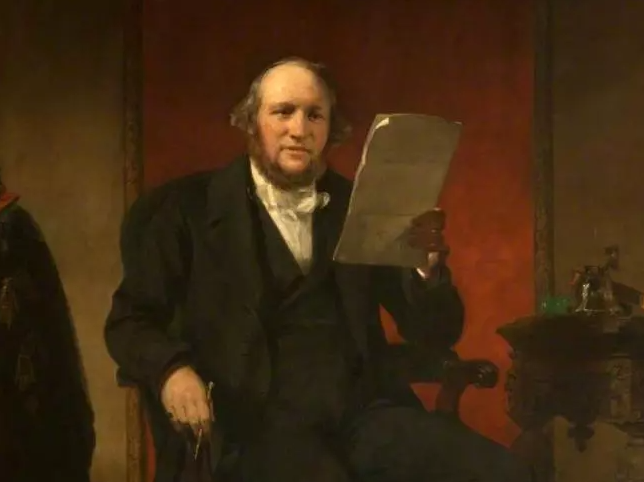
Alexander Wood
The Hypodermic Syringe
In 1853, Dr Alexander Wood designed the first modern hypodermic syringe, allowing for precise and painless injections. His innovation advanced medicine and remains one of the most widely used medical tools in the world.
The Flushing Toilet
It’s not glamorous, but it’s essential! In 1775, Scottish watchmaker Alexander Cumming patented the S-trap design that keeps unpleasant smells from rising out of toilets. His clever plumbing improvement transformed sanitation forever.
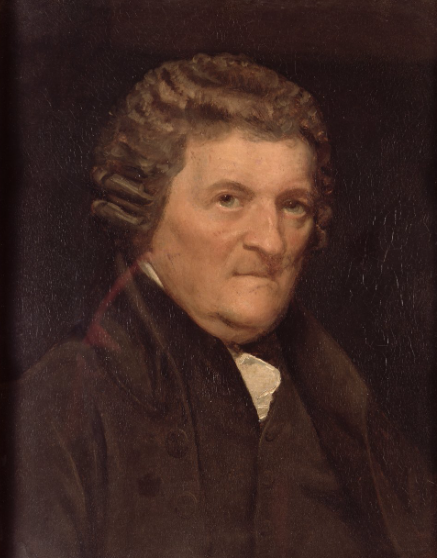
Alexander Cumming
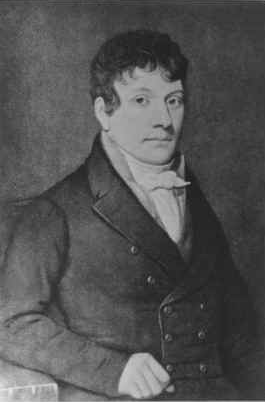
James Chalmers
The Adhesive Postage Stamp
James Chalmers, a Dundee printer, helped introduce the world’s first adhesive postage stamp in the 1830s. His idea simplified mail delivery, standardised costs, and made sending letters affordable to everyone – long before email!
A Legacy That Endures
From everyday comforts to world-changing science, Scotland’s inventors have left an extraordinary mark on history. Their curiosity and determination continue to inspire new generations of thinkers and tinkerers.
So next time you turn on the TV, tap your card at an ATM, or hear your phone ring, take a moment to thank a Scot.
